
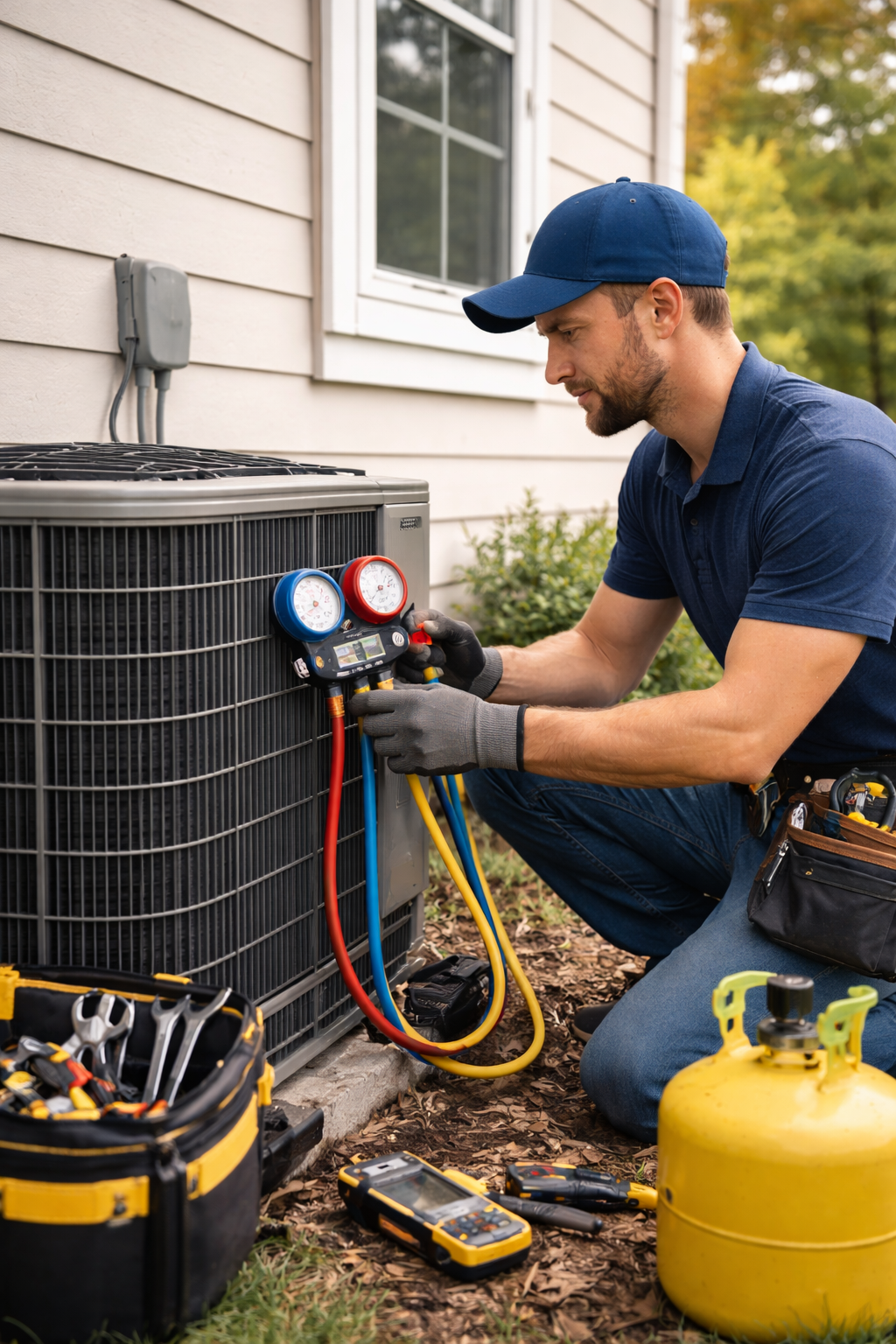
HVAC systems play a central role in maintaining a comfortable and healthy indoor environment. From regulating temperature to improving air circulation, heating, ventilation, and air conditioning systems help create living spaces that remain comfortable throughout changing seasons.
What Does HVAC Mean?
HVAC stands for Heating, Ventilation, and Air Conditioning. Together, these systems control indoor temperature, manage airflow, and support indoor air quality. Modern HVAC systems are designed to balance comfort with energy efficiency, helping homes stay warm in colder months and cool during warmer periods.
Beyond temperature control, HVAC systems also help manage humidity and reduce airborne particles, contributing to a healthier indoor environment.
Why HVAC Systems Are Essential for Homes
A properly functioning HVAC system supports daily comfort while helping homeowners manage energy use. Older or inefficient systems may struggle to maintain consistent temperatures, leading to discomfort and increased utility costs.
- Consistent Indoor Comfort: Balanced heating and cooling throughout the home
- Improved Air Circulation: Helps reduce stagnant air
- Better Energy Control: Modern systems operate more efficiently
- Indoor Air Quality Support: Filters and ventilation help improve air cleanliness
Learn More About HVAC Options
Homeowners often explore different heating and cooling solutions to better understand system features, efficiency levels, and maintenance considerations. Reviewing available HVAC options can help identify solutions that align with comfort needs and long-term goals.
Common Types of HVAC Systems
HVAC systems vary depending on home size, climate, and layout. Common system types include:
- Central Heating and Cooling: Whole-home temperature control
- Ductless Mini-Split Systems: Flexible zoning options
- Heat Pumps: Energy-efficient heating and cooling
- Furnace Systems: Reliable heating solutions
- Hybrid Systems: Combines multiple efficiency methods
Planning HVAC Improvements or Upgrades
Planning HVAC improvements involves evaluating system age, efficiency, and performance. Homeowners may consider upgrades when systems no longer meet comfort needs or when energy costs become difficult to manage.
Understanding available technologies, maintenance requirements, and system compatibility helps ensure informed decisions and long-term reliability.
HVAC as a Long-Term Home Investment
HVAC systems are a long-term investment in indoor comfort and efficiency. Well-maintained systems support consistent performance, lower energy use, and improved indoor air quality over time.
By staying informed and planning upgrades carefully, homeowners can maintain a comfortable and efficient living environment throughout the year.